Why Choose Khalid Eye & Medical Care?
Good eye care starts with a careful assessment of your eyes. Any further tests are chosen according to your symptoms and what the examination shows, because a test is only useful when it answers a question about your particular eyes.
Eye Care Services
The clinic provides six areas of eye care. The short notes below explain each one in general terms.
About Khalid Eye & Medical Care
Squint Assessment and Squint Surgery
The clinic provides squint assessment and squint surgery. A squint (strabismus), also called bhenga pan (بھینگا پن), means the eyes do not point in the same direction, and it can affect children and adults.
Read the squint surgery patient guide
Cataract Surgery by Phacoemulsification
The clinic provides cataract surgery by phacoemulsification. A cataract is a clouding of the eye’s lens that blurs vision, and phacoemulsification uses small ultrasound probes to break up the cloudy lens so it can be removed.
Read the cataract surgery patient guide
Glaucoma Diagnosis and Management
The clinic provides glaucoma diagnosis and management. Glaucoma usually has no symptoms at first, and a comprehensive dilated eye examination is the only way to find out whether you have it.
Read the glaucoma care patient guide
Watery Eyes
The clinic provides care for watery eyes. Watering is common and often gets better on its own, but it is worth having checked if it keeps going or affects daily life.
Diabetic Retinopathy Diagnosis and Management
The clinic provides diabetic retinopathy diagnosis and management. This diabetes-related eye problem usually causes no symptoms at first, which is why regular eye checks matter if you have diabetes.
Eye Emergency Management During Clinic Hours
The clinic provides eye emergency management during clinic hours only. A sudden injury or sudden change in sight needs urgent care, and outside clinic hours that means the nearest emergency department.
Not Sure Which Service You Need?
If you are not sure which area your problem falls under, you do not need to work it out first. When you message the clinic, describe what you are noticing, such as blurred vision, watering, an eye that turns, or a change in sight, and ask whether an examination is appropriate. Different eye problems can cause similar symptoms, so the cause can only be found by examining the eyes.
Dr. Kashif Jahangir
Dr. Kashif Jahangir is an ophthalmologist and the owner of Khalid Eye & Medical Care.
Qualifications and Academic Role
- Qualifications: MBBS, MCPS, FCPS, CHPE.
- Academic role: Associate Professor, Ophthalmology Unit I, Allama Iqbal Medical College (AIMC), Lahore.
Ophthalmic Experience
Dr. Kashif Jahangir has 20 years of ophthalmic experience.

Dr. Kashif Jahangir
Facilities Available at Khalid Eye & Medical Care
Most eye concerns begin with an examination, and what happens next depends on what it shows. The descriptions below are general, and which parts apply to you depends on your concern.
Eye Examination
An eye examination checks how well you see and the health of your eyes. In general, a comprehensive examination may include checking how sharp your vision is, testing your side vision, and checking how your eyes move. The examiner may also check how your pupils respond to light, measure the pressure inside your eyes, and use drops to widen your pupils so the inside of the eye can be seen.
A sight test also looks at the outside and inside of the eyes for conditions such as glaucoma, macular degeneration and cataracts, and at how the eyes focus and work together. It can pick up early signs of a problem before you notice any symptoms.
The exact assessment depends on your concern, and further tests may be added according to your needs. An examination can also show whether you need glasses or further investigation.
If drops are used to widen your pupils, your vision can stay blurry and your eyes sensitive to light for a few hours. Sunglasses and someone to help you get home can be useful, so ask the clinic whether drops might be needed for your concern.
Eye Diagnostics
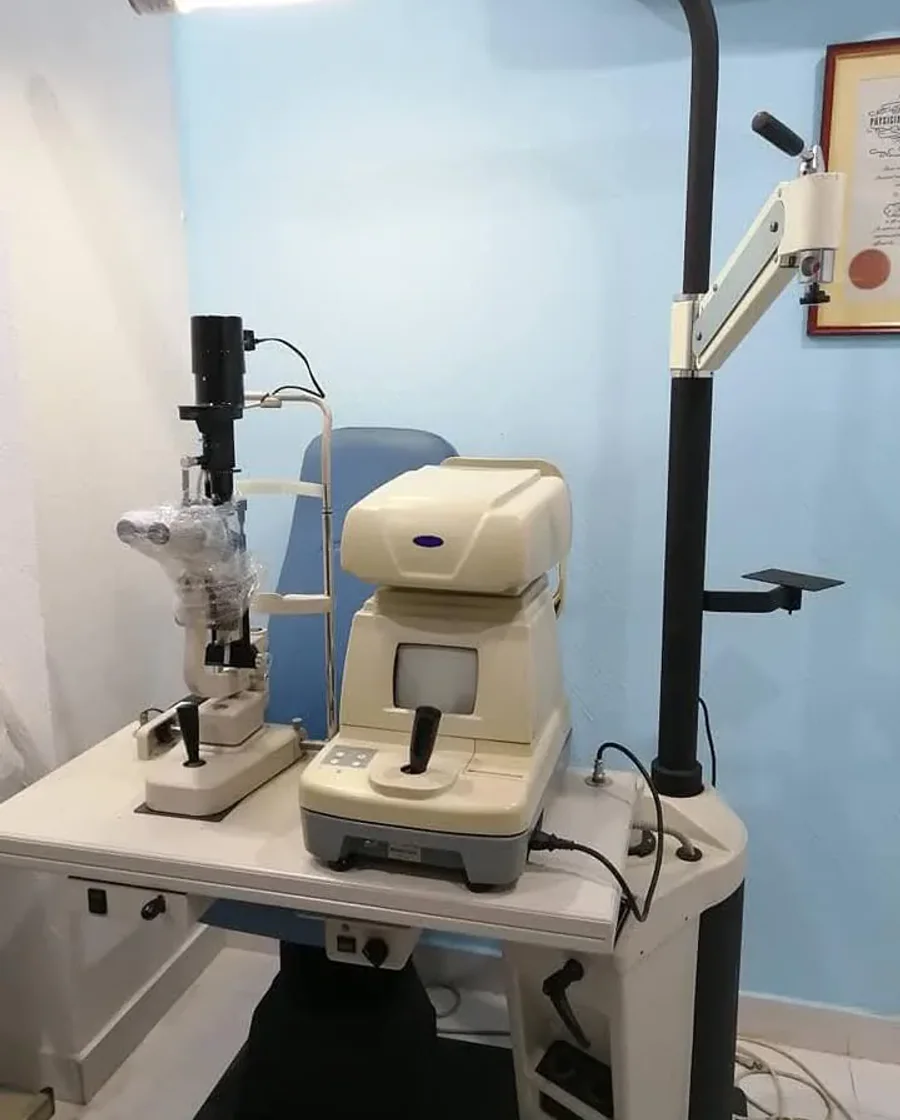
Eye diagnostics means the tests used to find the cause of an eye problem. A test is chosen to answer a specific question about your eyes, so a test that one person needs may not be needed by another.
In general, the questions differ by condition. Glaucoma is diagnosed through a comprehensive dilated eye examination that includes a visual field test, which checks your side vision. Diabetic retinopathy is typically found by photographing the back of the eye.
Ask what a recommended test is for, how it is done, how it will feel, and how you will get the results.
Eye Surgery (strabismus/squint)
The clinic provides squint (strabismus) surgery. In general, surgery on the muscles that move the eye may be considered when glasses are not fully effective, and it is advised only after assessment.
Surgery is only one of several approaches to a squint. Others described in general medical guidance include glasses, eye exercises, injections and, where a lazy eye has developed, patching. Which approach suits a child or an adult depends on the findings of the assessment.
What to Expect at Your Visit
Before You Contact the Clinic
Before you message the clinic, it can help to note down a few details about your concern:
- what the problem is and how long you have had it
- whether one eye or both eyes are affected
- whether your sight has changed, and whether it came on suddenly
- any glasses you wear and any medicines you use, including vitamins and supplements
- any past reactions to medicines, and whether you have diabetes or have had eye surgery before
Writing down your questions beforehand also helps you get the most from an appointment. These are suggestions to help you describe your concern. They are not a required clinic procedure. You can also ask about costs when you make contact. If you have an eye injury or a sudden change in sight, do not wait to message the clinic. Follow the urgent-care guidance below.
Questions to Ask About Your Eye Care
These are general suggestions for any eye doctor. You may want to ask:
- What did my examination find, and what does it mean for my sight?
- What is each test for, and why are more tests recommended?
- What are my options, and what are the benefits and possible complications of each?
- What should I understand before I decide on a treatment?
- What should I do next, and should I call if my symptoms get worse?
You can also ask for written instructions.
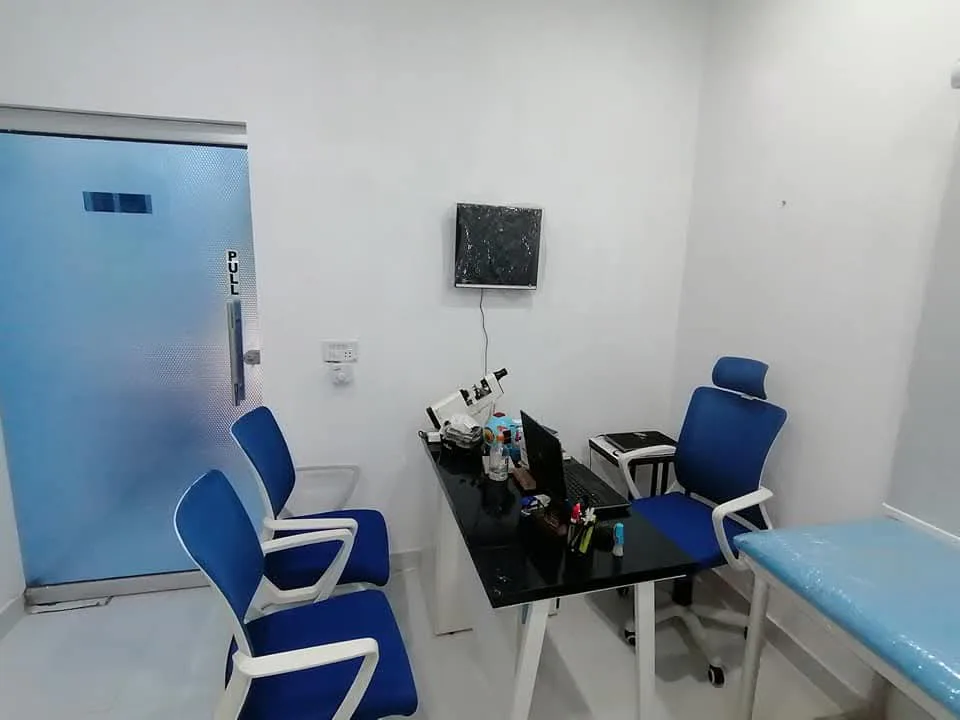
Patient Reviews and Testimonials
Eye care is personal, and every patient’s concern, assessment and care are different. One person’s experience cannot show what will happen for you, so ask the clinic about your own concern. When you read reviews of any clinic, remember that they describe individual experiences and not guaranteed results.
Patient Case Studies and Before-and-After Results
The result of any eye treatment depends on the person and the condition being treated. Before-and-after results from one patient cannot show what will happen for another. Ask the clinic about your own concern, including your options and the possible benefits and risks of each, before you decide on any treatment.
These photos show squint (strabismus / bhenga pan) surgery cases. Each image is a single before-and-after comparison. Early after photos often show temporary redness, which is common after eye muscle surgery.
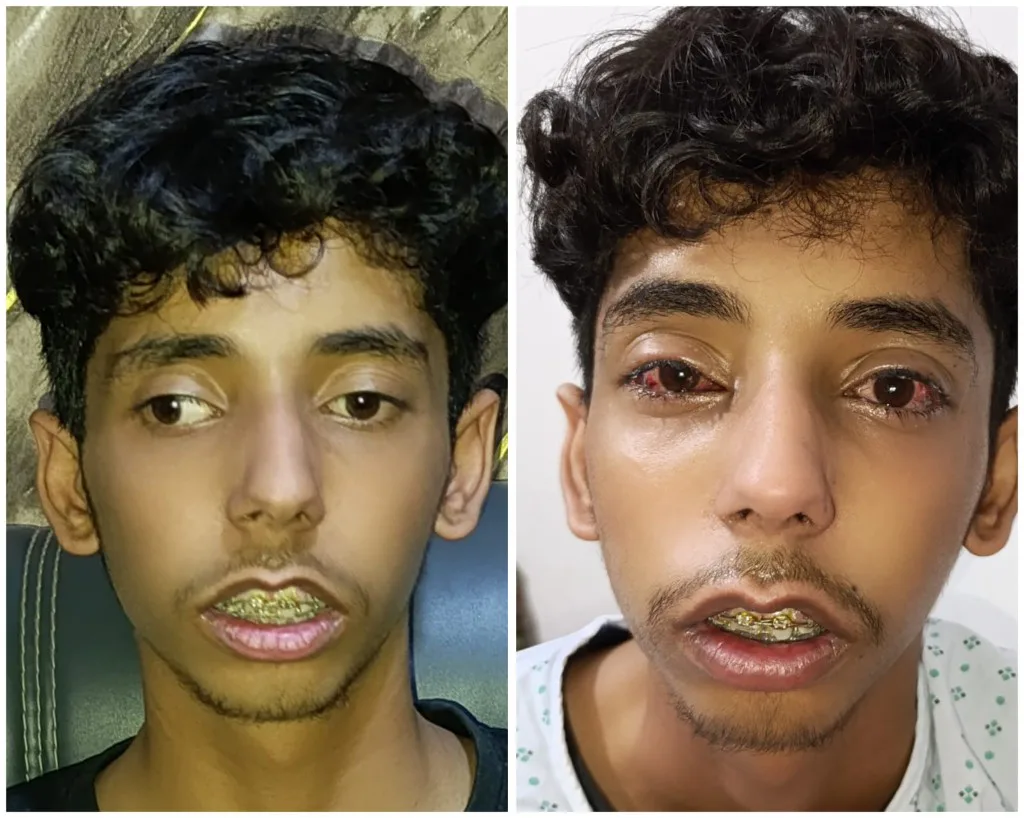
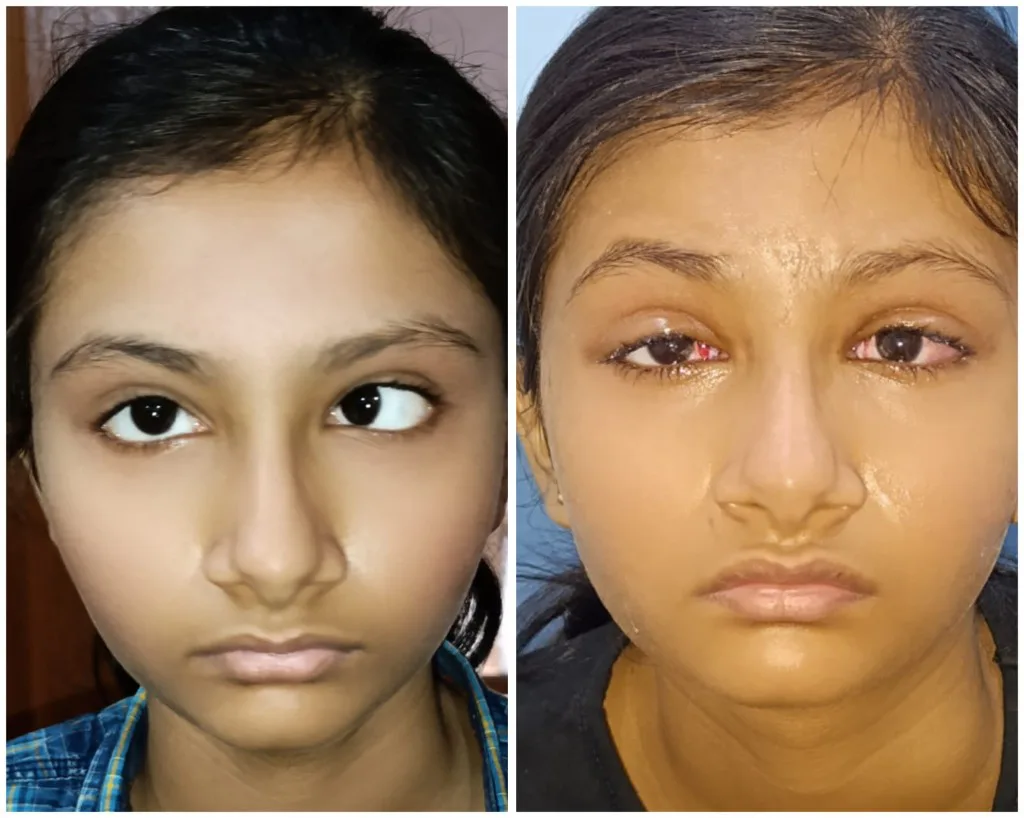
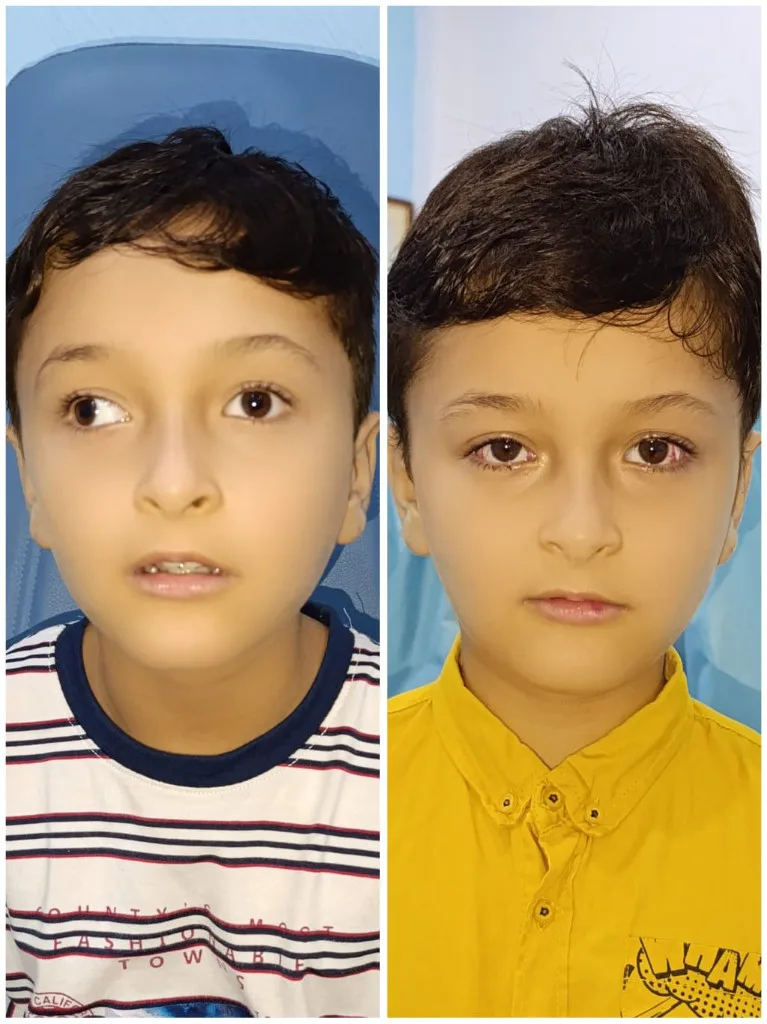
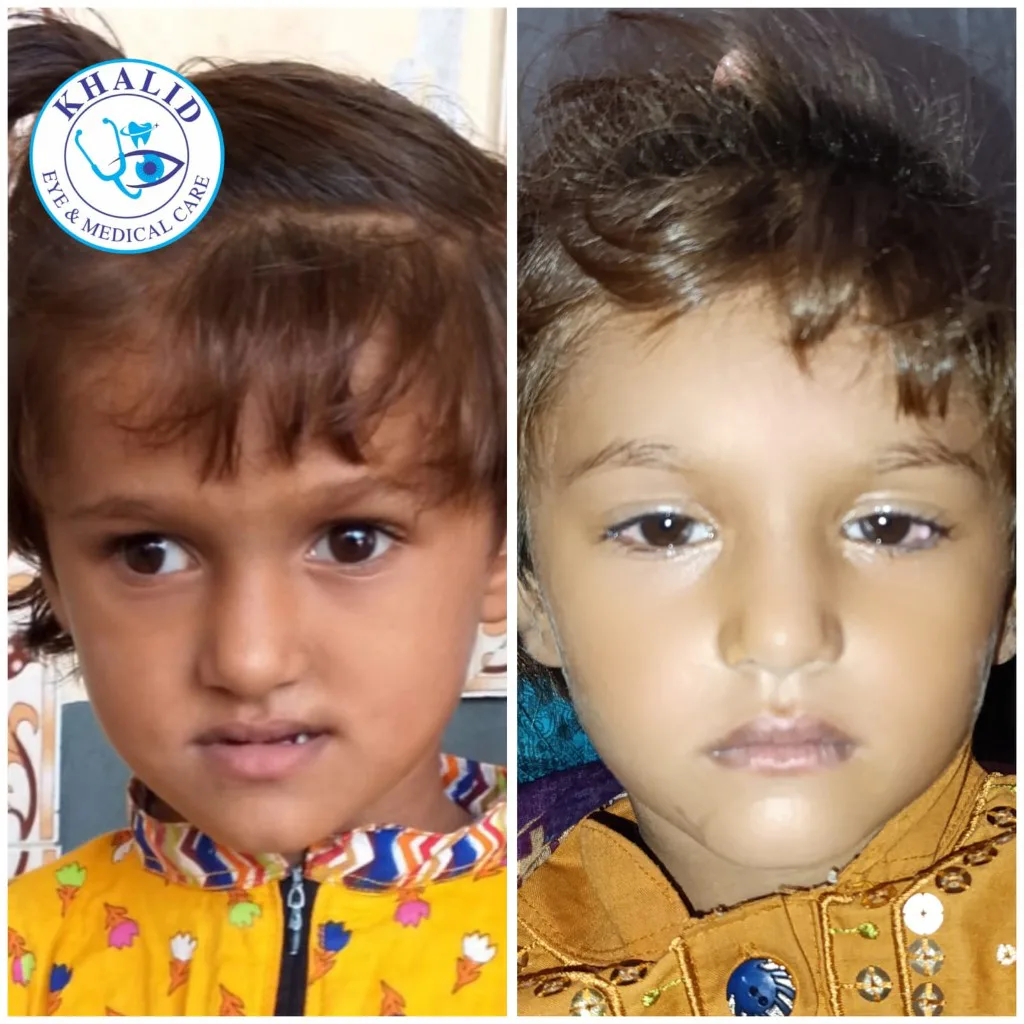
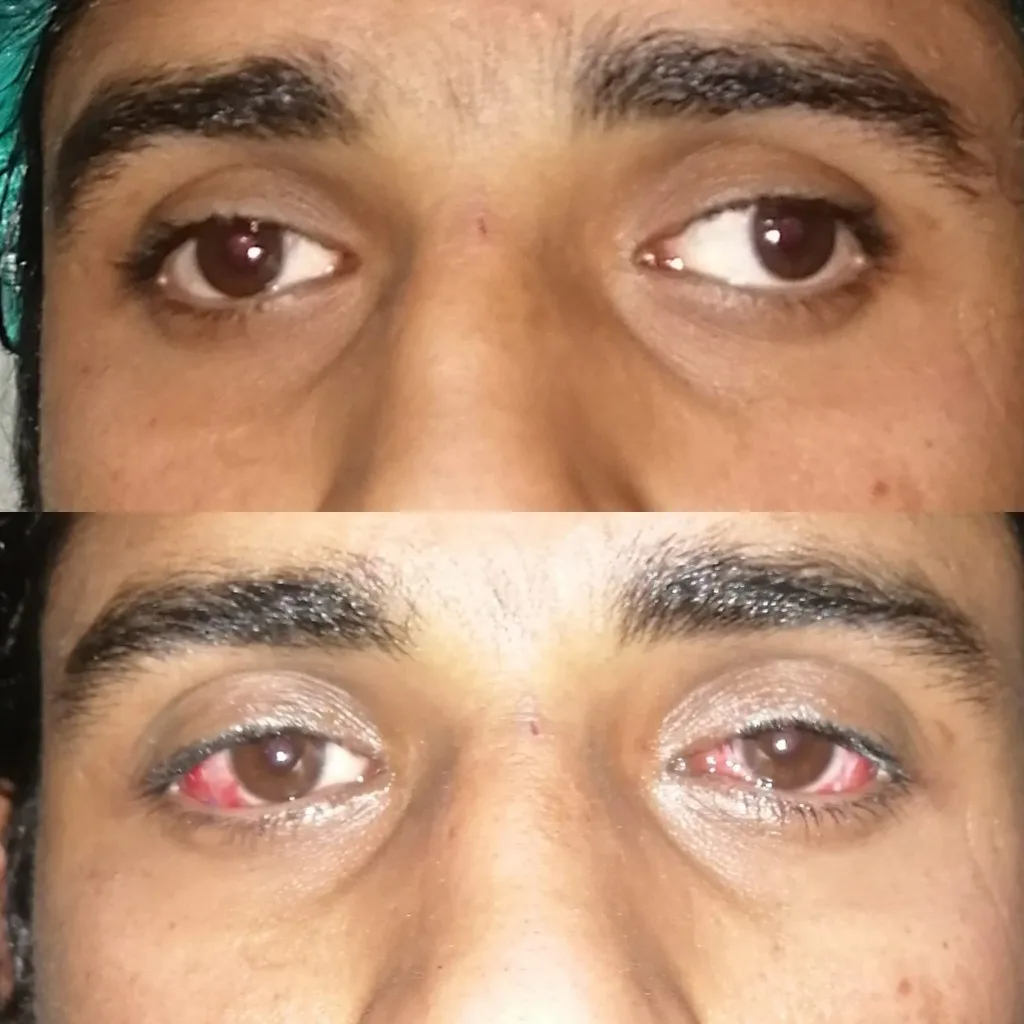
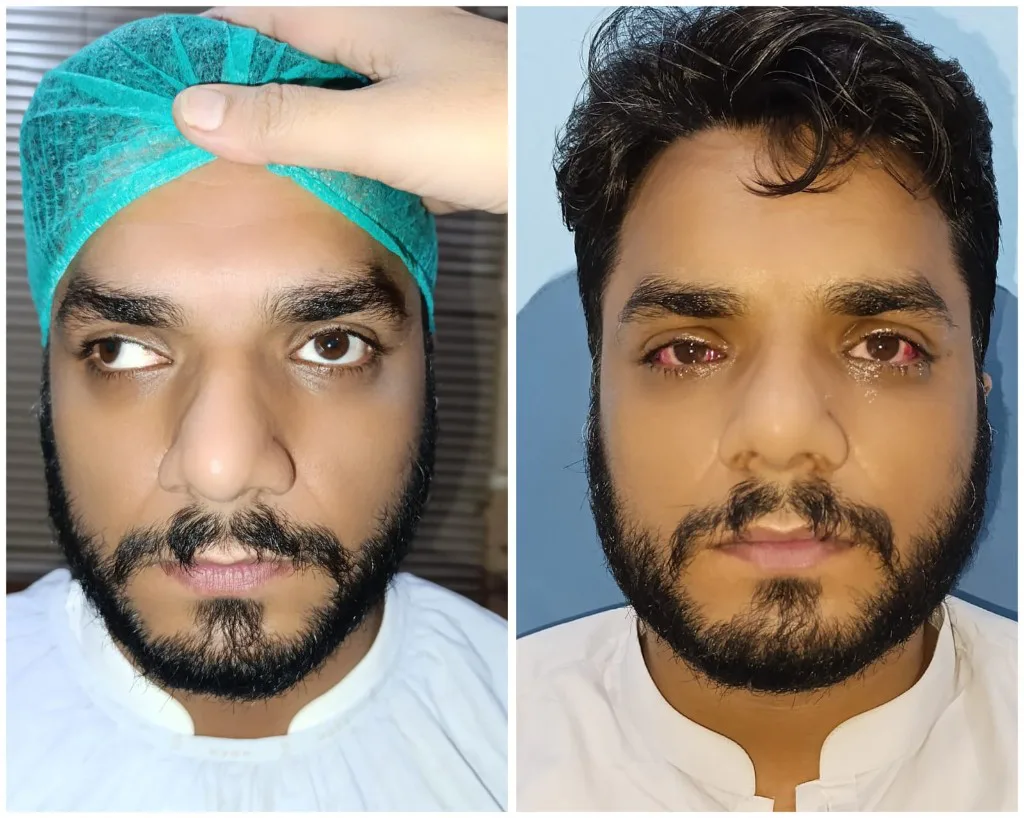
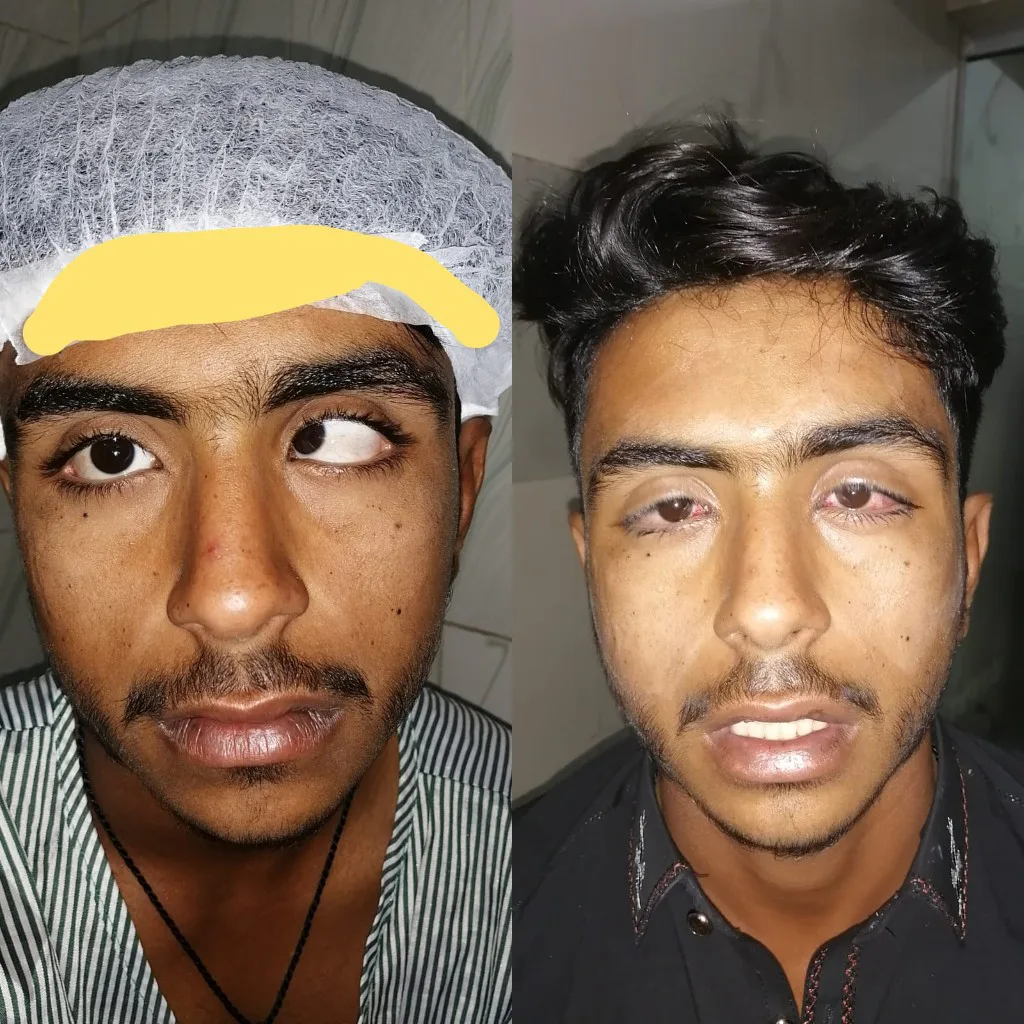
Read the squint surgery patient guide for options, risks and recovery, or ask about an assessment on WhatsApp.
When to Seek Eye Care
This is general information, not a diagnosis. Some eye problems need urgent care, while others are best checked by a routine examination. If you are unsure, or your symptoms are getting worse, seek advice rather than waiting.
Seek Urgent Care Right Away
Go to the nearest emergency department or seek immediate eye care if you have:
- a strong chemical splashed in the eye
- a sharp object that has pierced the eye, or a hit to the eye at high speed
- any change in your sight after an eye injury
- severe eye pain, or a sudden change in vision
- a sudden increase in floaters, flashes of light, or a shadow or dark curtain across part of your vision
A few floaters are normal. But a sudden increase in floaters, flashes and a shadow or curtain across your vision can be signs of a detached retina. Waiting raises the risk of permanent loss of sight, so these symptoms need immediate care from an eye doctor or an emergency department. A small detachment can cause no symptoms at all, which is why eyes should be checked after any eye injury.
While you get help:
- If a chemical has splashed into your eye, flush it with clean water, holding the eye open, for at least 20 minutes while urgent help is being arranged. Take the container of the chemical with you if you can.
- Do not try to remove an object that has pierced the eye.
- Do not rub or touch the eye.
- Do not drive yourself if your sight has changed or the injury is serious. Ask someone to take you or arrange emergency transport.
The clinic’s eye emergency management applies during clinic hours only. For an urgent problem, do not wait for a WhatsApp reply.
Get an Eye Examination If
An eye examination is worth arranging, even when nothing is urgent, if:
- you have diabetes, because diabetic retinopathy usually causes no symptoms at first and is usually found through regular eye checks
- you or your child has a squint, meaning the eyes do not point in the same direction
- a squint appears for the first time in an adult, or you develop double vision
- watering keeps going or interferes with everyday activities
- an eyelid turns inward or droops, or a lump or swelling near the eye has not improved
- your sight has become blurry, or you have trouble seeing at night, reading, or coping with glare, which can be symptoms of a cataract
Some eye conditions cause no symptoms early on. Glaucoma usually has no symptoms at first, and treatment cannot undo damage that has already happened, so finding it early matters. The only way to find out whether you have it is a comprehensive dilated eye examination. Ask your doctor how often you should be checked.
Clinic Location, Hours and Directions
Location in Jubilee Town, Lahore
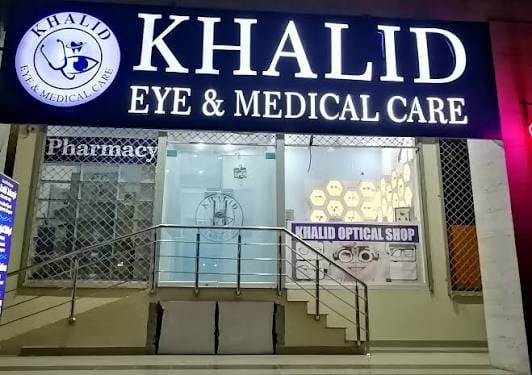
Khalid Eye & Medical Care is at Block C Commercial Area Jubilee Town, Lahore, 53720, Pakistan. Message the clinic if you need directions before you travel.
Open clinic location on Google Maps
Contact Options
- Phone / WhatsApp
- +92 322 4021676
WhatsApp lets you describe your concern in writing. It is not suitable for an urgent eye problem.
Clinic Hours
- Monday to Friday
- 6:00 PM to 9:00 PM
- Saturday
- 5:00 PM to 7:00 PM
- Sunday
- Closed
These are regular clinic consultation hours from the clinic’s Google Business Profile. Eye emergency management is available during clinic hours only. If your concern is urgent outside these hours, go to the nearest emergency department.
How to Find the Clinic
When you message the clinic, tell them the area you are travelling from and ask for directions. If your pupils may be widened with drops, or your sight is already blurred, plan to travel with someone.
Frequently Asked Questions
Message Khalid Eye & Medical Care on WhatsApp
Message Khalid Eye & Medical Care on WhatsApp to ask about your concern. For a sudden injury or change in sight, seek urgent care first.
Block C Commercial Area Jubilee Town, Lahore, 53720, Pakistan
Monday to Friday: 6:00 PM to 9:00 PM
Saturday: 5:00 PM to 7:00 PM
Sunday: Closed
The medical information on this page is for general education and is not a diagnosis.